How Much Does a Tractor Cost?
How Much Is My Tractor Worth?
Best Tractors for Small Farms
How Much Does a Tractor Tire Weigh?
Most Useful Tractor Implements
Most Popular Tractor Brands
What are Hay Balers?
How Many Bales of Hay Per Acre Can You Produce?
Tractors & Road Safety
What Does PTO Stand for on a Tractor? And How Does It Work?
Compact Vs. Utility Tractors: Which Is Right for Your Farm?
Best Tractor Models for Small to Medium Farms
How To Operate a Skid Steer
Skid Steer Attachments
Manure Spreaders
Grapple Buckets
How Do Combine Harvesters Work?
Autonomous Tractors
What is an Excavator?
How much does a Forklift Cost?
Different Types Of Cattle Barns
How Is Hemp Harvested?
How Does a Concrete Crusher Work? Understanding the Role and Mechanisms of Concrete Crushers
A Beginner’s Guide to Online Farm Equipment Auctions
How Online Farm Auctions Are Transforming the Ag Industry
Corn Harvesting: Where Is Corn Grown in the U.S.?
How to Write Off Farm Equipment on Taxes
Bale Beds for Sale New & Used
Guide to Tillage: What Is Tillage Equipment & Its Process?
Evolution of the Bulldozer
Bulldozers in Construction
Selling Used Farm Equipment
Understanding Commodity Price Trends
Top Tips for Successful Bidding in Online Farm Equipment Auctions
Most Efficient Corn Harvesting
Top Seeders for No-Till Farming
Square vs Round Balers
How Does a Combine Harvester Work? A Farmer's Guide
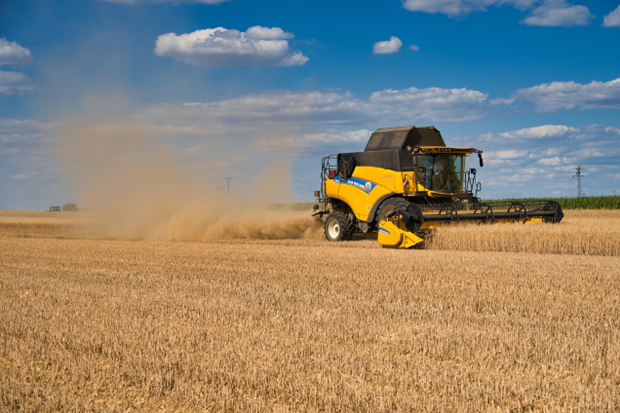
Before combines came along, harvesting grain was tough, back-breaking work. Farmers had to cut the crops, separate the grain by hand, and then clean it up to get rid of debris. Thankfully, today’s combine harvesters handle all these steps at once—saving farmers countless hours and plenty of sweat.
But how exactly does a combine harvester work? We'll walk you through the basics of combines, how they operate, the different parts and headers, and what it costs to add one of these powerful machines to your farm.
What is a Combine Harvester?
A combine harvester (or simply a "combine") is a large farm machine that harvests grain crops. It performs three essential tasks simultaneously:
- Reaping: Cutting the crop from the field
- Threshing: Separating grain from the stalks
- Winnowing: Cleaning the grain by removing chaff and debris
Once the combine finishes, you have clean grain ready to store, mill, or sell. Combines harvest wheat, corn, soybeans, barley, oats, rye, and other grain crops, making them essential for any serious grain operation.
The History of Combine Harvesters
The first practical combine harvester was invented by Hiram Moore in Kalamazoo, Michigan, back in 1835. Originally powered by horses and operated by farmhands, these early machines dramatically simplified grain harvesting.
Over time, combines evolved to use steam engines, tractors, and now diesel-powered engines, becoming the high-tech, efficient machines we rely on today.
How Does a Combine Harvester Work?
Combines might look complicated, but they operate in a straightforward process:
Step 1: Cutting and Gathering (Reaping)
The header, located at the front of the combine, cuts the crop from the ground. A rotating reel gently guides plants into a cutter bar. Once cut, crops are swept into an auger or belt (depending on header type) that feeds them into the combine.
Step 2: Threshing (Separating Grain)
Inside the combine, crops move through a rotating drum called the threshing cylinder or rotor. Here, grains are separated from the stalks and husks through gentle but effective mechanical action.
Step 3: Winnowing (Cleaning Grain)
After threshing, grain and chaff (debris) move to cleaning sieves. Fans blow air across the sieves, removing lightweight chaff and leaving clean grain behind.
Step 4: Storing and Unloading
Clean grain travels into the grain tank atop the combine. When the tank fills, an unloading auger transfers the grain into trucks, grain carts, or storage bins directly from the field.
Step 5: Straw and Residue Management
Any leftover plant material (straw and chaff) is directed out the back of the combine, where it is chopped up and spread evenly across the field. This returns nutrients to the soil and helps prepare the land for future planting.
Combine Harvester Headers: Which One Do You Need?
The header is a crucial attachment that can be swapped out depending on your crop. Choosing the right header ensures an efficient harvest and minimal crop loss. Here are the main types of headers:
Grain Headers (Platform Headers)
Standard headers with a cutter bar and rotating reel, used primarily for wheat, barley, oats, and similar grains.
Corn Headers
Specifically designed to handle corn. These headers pull ears from the stalk and feed them into the combine, leaving stalks behind.
Draper Headers
Instead of augers, draper headers use wide belts that gently move crops into the feeder house, ideal for delicate crops and minimizing grain loss. They’re popular for wheat and soybeans.
Auger Headers
Traditional headers with augers to feed crops into the combine. Reliable and cost-effective, but sometimes less gentle than draper headers.
Selecting the right header can significantly affect your combine’s performance, yield, and efficiency.
How Much Does a Combine Harvester Cost?
Combine harvesters represent a major investment. Prices vary widely depending on the brand, age, condition, and features. Here’s a quick look at typical price ranges:
| Combine Type | Typical Price Range |
|---|---|
| Used Combines (older models) | $50,000 - $150,000 |
| Mid-range Used Combines (recent models) | $150,000 - $350,000 |
| Newer Used Combines (recent, advanced technology) | $350,000 - $500,000 |
| Brand-New Combines (latest models and features) | $400,000 - $700,000+ |
Popular combine brands include John Deere, Case IH, New Holland, and Gleaner. Always factor in the cost of maintenance, repairs, and compatible headers when budgeting.
You can explore Fastline’s combine harvester listings to see available options in your price range.
Tips for Buying a Combine Harvester
Here’s a quick checklist to guide your purchase:
- Consider your acreage: Large farms typically need bigger, higher-capacity combines.
- Inspect thoroughly: Look at engine hours, overall condition, and service records.
- Test operation: Ensure the combine starts easily, runs smoothly, and performs correctly.
- Check header compatibility: Make sure headers for your specific crops fit the combine you’re considering.
- Evaluate dealer support: Choose brands with strong parts availability and dealer networks.
Combine Harvesters: The Heart of Modern Farming
From the first combines of the 1800s to today’s advanced models, these machines have truly revolutionized agriculture. By performing reaping, threshing, and winnowing in one pass, combines help farmers harvest more efficiently, save labor, and boost productivity.
If you're considering investing in a combine harvester for your farm, start by assessing your needs, budget, and preferred brand. A combine can be a significant expense, but it's also one of the smartest long-term investments for any grain operation.
Ready to browse combines for sale? Explore Fastline’s combine listings and find the perfect match for your farm today!
