How Much Does a Tractor Cost?
How Much Is My Tractor Worth?
Best Tractors for Small Farms
How Much Does a Tractor Tire Weigh?
Most Useful Tractor Implements
Most Popular Tractor Brands
What are Hay Balers?
How Many Bales of Hay Per Acre Can You Produce?
Tractors & Road Safety
What Does PTO Stand for on a Tractor? And How Does It Work?
Compact Vs. Utility Tractors: Which Is Right for Your Farm?
Best Tractor Models for Small to Medium Farms
How To Operate a Skid Steer
Skid Steer Attachments
Manure Spreaders
Grapple Buckets
How Do Combine Harvesters Work?
Autonomous Tractors
What is an Excavator?
How much does a Forklift Cost?
Different Types Of Cattle Barns
How Is Hemp Harvested?
How Does a Concrete Crusher Work? Understanding the Role and Mechanisms of Concrete Crushers
A Beginner’s Guide to Online Farm Equipment Auctions
How Online Farm Auctions Are Transforming the Ag Industry
Corn Harvesting: Where Is Corn Grown in the U.S.?
How to Write Off Farm Equipment on Taxes
Bale Beds for Sale New & Used
Guide to Tillage: What Is Tillage Equipment & Its Process?
Evolution of the Bulldozer
Bulldozers in Construction
Selling Used Farm Equipment
Understanding Commodity Price Trends
Top Tips for Successful Bidding in Online Farm Equipment Auctions
Most Efficient Corn Harvesting
Top Seeders for No-Till Farming
Square vs Round Balers
Different Types of Cattle Barns: Which is Right for Your Herd?
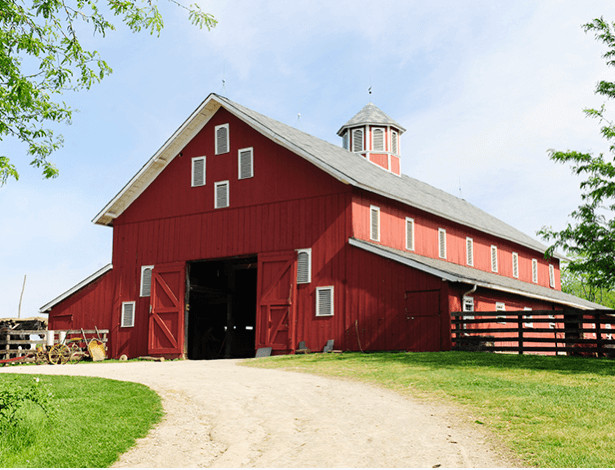
If you've driven through farm country, you've probably noticed cattle barns dotting the landscape. Some look traditional, while others seem modern and industrial. Why all the variety? Different cattle barns have unique purposes and advantages, built to match the specific needs of each farm or ranch operation.
Choosing the right barn can streamline your daily chores, save labor, and keep your cattle healthier and happier. In this article, we'll break down the main types of cattle barns—monoslope barns, vented gable roof barns, and hoop barns—to help you decide what's best for your farm.
What Exactly Is a Cattle Barn?
Simply put, a cattle barn is a building designed specifically to shelter and house cattle or other livestock. It’s a place to store feed, provide shelter from harsh weather, and keep your herd comfortable and protected year-round.
A good cattle barn:
- Protects livestock from extreme weather (heat, cold, rain, snow).
- Provides proper ventilation for herd health.
- Offers easy feeding and waste management.
- Helps farmers efficiently manage day-to-day operations.
Let’s take a closer look at the three main types of cattle barns you might consider.
Three Main Types of Cattle Barns
1. Monoslope Cattle Barns
A monoslope cattle barn has a single-slanted roof, usually built from steel and wood. This design is carefully oriented to control sunlight and airflow throughout the year.
Why Farmers Like Monoslope Barns:
- Excellent natural ventilation and air quality.
- High overhead clearance for easier equipment operation.
- Maximizes winter sunlight for warmth, summer shade for cooling.
- Durable and long-lasting.
Considerations:
- Higher initial investment.
- Slightly more complex construction process.
Best for: Dairy operations or beef cattle farms that require superior ventilation, ease of cleaning, and year-round comfort.
2. Vented Gable Roof Barns
The vented gable roof barn is a classic, recognizable barn shape. The roof slopes upward from two sides and meets at a ridge with a ventilation opening.
Why Farmers Like Vented Gable Roof Barns:
- Traditional appearance and straightforward construction.
- Cost-effective compared to monoslope barns.
- Durable, sturdy structure that withstands severe weather.
Considerations:
- Less natural light inside.
- Limited overhead clearance compared to monoslope barns.
- Ventilation depends heavily on effectiveness of ridge vents.
Best for: Beef cattle farms needing robust, affordable shelter in areas prone to high winds and storms.
3. Hoop Barns
Hoop barns are easily recognizable by their curved or arch-shaped structure, usually built with steel frames covered by durable fabric or tarp.
Why Farmers Like Hoop Barns:
- Very affordable and quick to build.
- Great natural lighting inside.
- Good overhead clearance for equipment operation.
- Flexible design for various uses (hay storage, equipment shelter).
Considerations:
- Shorter lifespan for fabric roofs, which may require more frequent replacement.
- More vulnerable to severe weather damage.
- Ventilation can be less efficient compared to other types.
Best for: Small to medium-sized cattle operations on a budget, or farms needing versatile and temporary storage solutions.
How to Choose the Right Barn for Your Farm
Selecting the best barn depends on several key questions. Consider the following factors when making your choice:
- Livestock Needs: Does your herd require extra ventilation and sunlight (common for dairy cattle), or just sturdy protection (beef cattle)?
- Budget: How much can you comfortably invest upfront?
- Herd Size: What size barn do you need to comfortably house your current herd, with room for growth?
- Available Land: Is your land suited to a larger, permanent structure or a simpler temporary solution?
- Local Climate: Which barn design fits your regional weather patterns (extreme cold, heat, storms)?
- Flooring and Waste Management: Will you use traditional bedding, concrete, or slatted flooring for easy cleanup?
- Long-term Benefits: How will the barn improve efficiency, livestock health, and overall operation sustainability?
Additional Considerations: Permits and Regulations
Before you build, make sure to research your local regulations. You’ll likely need to obtain permits and adhere to zoning laws and environmental regulations. Check with your local farm bureau or county extension office to confirm requirements.
Tips for Maximizing Your Cattle Barn Investment
Once you've selected your barn type, here are some tips for maximizing your investment:
- Plan for growth: Choose a size and design that can accommodate future herd expansion.
- Focus on ventilation: Proper airflow dramatically improves cattle health and productivity.
- Prioritize convenience: Easy access for equipment, feed, and waste removal makes daily chores more manageable.
- Quality materials: Invest in durable materials to extend barn life and reduce long-term costs.
Wrapping It Up
The right cattle barn is an important asset to your farm or ranch, directly impacting the health of your herd and the efficiency of your operation. Monoslope, vented gable roof, and hoop barns each offer distinct advantages suited to specific needs, climates, and budgets.
Ready to upgrade your cattle housing? Fastline can help you find reliable barns, and livestock management tools to improve your operation.
Explore farm equipment and livestock solutions today with Fastline!
