How Much Does a Tractor Cost?
How Much Is My Tractor Worth?
Best Tractors for Small Farms
How Much Does a Tractor Tire Weigh?
Most Useful Tractor Implements
Most Popular Tractor Brands
What are Hay Balers?
How Many Bales of Hay Per Acre Can You Produce?
Tractors & Road Safety
What Does PTO Stand for on a Tractor? And How Does It Work?
Compact Vs. Utility Tractors: Which Is Right for Your Farm?
Best Tractor Models for Small to Medium Farms
How To Operate a Skid Steer
Skid Steer Attachments
Manure Spreaders
Grapple Buckets
How Do Combine Harvesters Work?
Autonomous Tractors
What is an Excavator?
How much does a Forklift Cost?
Different Types Of Cattle Barns
How Is Hemp Harvested?
How Does a Concrete Crusher Work? Understanding the Role and Mechanisms of Concrete Crushers
A Beginner’s Guide to Online Farm Equipment Auctions
How Online Farm Auctions Are Transforming the Ag Industry
Corn Harvesting: Where Is Corn Grown in the U.S.?
How to Write Off Farm Equipment on Taxes
Bale Beds for Sale New & Used
Guide to Tillage: What Is Tillage Equipment & Its Process?
Evolution of the Bulldozer
Bulldozers in Construction
Selling Used Farm Equipment
Understanding Commodity Price Trends
Top Tips for Successful Bidding in Online Farm Equipment Auctions
Most Efficient Corn Harvesting
Top Seeders for No-Till Farming
Square vs Round Balers
Manure Spreader Safety: How to Load, Unload, and Spread Efficiently
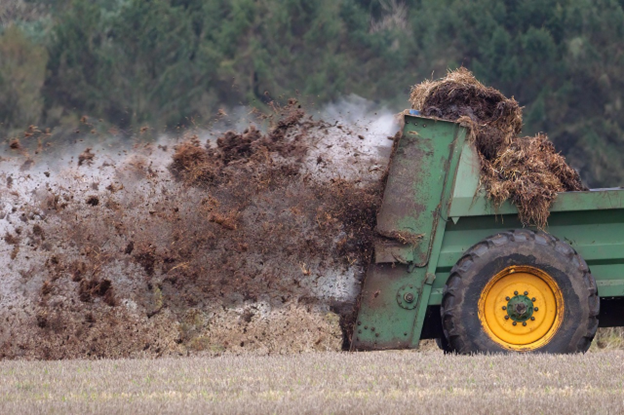
Manure spreaders handle one of farming’s messiest but most necessary jobs. Whether raising cattle, horses, sheep, or managing crop fields, you’ll need effective manure management. Knowing how to properly and safely use your manure spreader protects you, your livestock, and your equipment.
Choosing the Best Method for Manure Spreading
Farmers typically have two manure types to manage: liquid and solid. Both types have distinct benefits, so your choice depends on your farm needs and resources.
Liquid manure is popular because it spreads easily and evenly across fields. Liquid manure provides a consistent nutrient coating, creating uniform fertilization for crops. Farmers commonly choose liquid manure for its ease and uniformity. According to agricultural experts at Clemson Cooperative Extension, liquid manure’s easy, even application reduces overall labor. Usually, applying it once early in the growing season provides sufficient nutrients.
By contrast, solid manure spreads nutrients more gradually over time, beneficial for crops needing steady nutrient release. Additionally, solid manure can improve soil structure by reducing compaction and aiding moisture retention, a key benefit supported by experts at the University of Missouri Extension. Solid manure also tends to be cheaper, easier to store, and readily available in bulk.
Determining Manure Spread Frequency
Farmers often ask, "How often should I spread manure?" It depends largely on your manure type and farm needs.
Liquid manure often requires only one application per season, applied before planting. Solid manure needs a more strategic approach, usually spread at the start of planting and possibly again mid-season for nutrient-hungry crops like potatoes or tomatoes.
Consider manure nutrient tests recommended by your local agricultural extension offices to make informed spreading decisions.
Loading and Unloading a Manure Spreader Safely
Loading manure correctly ensures safety and optimal performance from your spreader. Most manure spreaders are loaded using farm loaders, skid steers, telehandlers, or excavators. Before loading, confirm your spreader’s weight limits to prevent overloading.
Avoid backing up unnecessarily, and always drive slowly while spreading. To keep yourself safe, never attempt sharp turns while loaded, as this could tip the spreader. Make sure to unload evenly and slowly to reduce shifting or tipping risks.
Ensuring Even Spreading of Manure
Even spreading of manure promotes optimal soil health and crop productivity. When spreading solid manure, follow a broadcast pattern (even, overlapping passes) to avoid bare or overloaded patches.
If you miss a spot, don't back up. Instead, complete another lap around the area to ensure coverage. Maintain a steady pace to control distribution.
Choosing the Right Manure Spreader
Farm size and tasks influence manure spreader choice significantly. Smaller manure spreaders work well on compact farms, allowing easy maneuverability around tighter spaces. Larger farms benefit from high-capacity spreaders to reduce refill frequency, saving time and effort.
Fastline’s selection of manure spreaders includes various sizes and configurations suitable for every farm size and budget.
Can You Use Manure Spreaders for Compost or Seed?
Farmers commonly wonder about alternate uses for their spreaders. Using manure spreaders for compost is tricky. Compost may require additional handling or modifications to your spreader to distribute evenly. Compost needs specific spreader types or attachments that manage texture and moisture effectively.
Similarly, manure spreaders typically aren't suited for spreading seeds, as spreader designs focus on larger particles. Instead, choose specialized seed spreaders or broadcast seeders for optimal seed distribution.
For more detailed equipment insights, read our guide Understanding Tractor Hitch Classes and Their Uses.
Fertilizing Before or After Seeding?
Agricultural specialists suggest fertilizing before seeding for better plant growth. Fertilizing first prepares nutrient-rich soil for seeds. It’s best to apply manure when soil temperatures reach about 55°F—usually March or early springtime for most U.S. regions.
Can Too Much Manure Hurt My Plants?
Yes, too much manure can cause significant problems. Overapplication leads to nitrate runoff, soil nutrient imbalance, and even damage plants through “burning.” Excess manure may also cause environmental runoff issues, according to the EPA’s Nutrient Pollution Management. It’s important to know manure application rates and not exceed recommended limits. Typically, a standard manure spreading rate ranges from 10 to 25 tons per acre, depending on crop type, manure nutrient content, and soil conditions.
Manure Types: Horse vs. Cow
Horse manure generally dries faster and contains higher nitrogen levels, benefiting soil fertility. Cow manure has higher water content but decomposes slowly, delivering nutrients gradually over time. Choose your manure source based on your crop nutrient needs and soil management goals.
Handling Livestock Trailer Safety
If you regularly manage livestock, consider A Look at Different Types of Cattle Livestock Trailers to transport animals safely. Knowing how to safely load and unload livestock trailers complements effective manure management.
Final Thoughts on Safe Manure Spreading
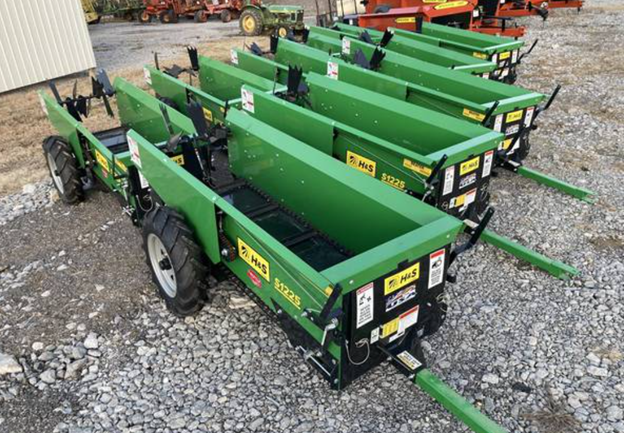
Proper manure spreading technique contributes to healthier fields, safer livestock, and a more productive farm. From selecting the best spreader size to knowing optimal application timing and techniques, good manure management helps sustain farm productivity and safety.
If you’re in the market for a new or used manure spreader, visit Fastline’s manure spreader listings to find equipment perfect for your farming operation.
