How Much Does a Tractor Cost?
How Much Is My Tractor Worth?
Best Tractors for Small Farms
How Much Does a Tractor Tire Weigh?
Most Useful Tractor Implements
Most Popular Tractor Brands
What are Hay Balers?
How Many Bales of Hay Per Acre Can You Produce?
Tractors & Road Safety
What Does PTO Stand for on a Tractor? And How Does It Work?
Compact Vs. Utility Tractors: Which Is Right for Your Farm?
Best Tractor Models for Small to Medium Farms
How To Operate a Skid Steer
Skid Steer Attachments
Manure Spreaders
Grapple Buckets
How Do Combine Harvesters Work?
Autonomous Tractors
What is an Excavator?
How much does a Forklift Cost?
Different Types Of Cattle Barns
How Is Hemp Harvested?
How Does a Concrete Crusher Work? Understanding the Role and Mechanisms of Concrete Crushers
A Beginner’s Guide to Online Farm Equipment Auctions
How Online Farm Auctions Are Transforming the Ag Industry
Corn Harvesting: Where Is Corn Grown in the U.S.?
How to Write Off Farm Equipment on Taxes
Bale Beds for Sale New & Used
Guide to Tillage: What Is Tillage Equipment & Its Process?
Evolution of the Bulldozer
Bulldozers in Construction
Selling Used Farm Equipment
Understanding Commodity Price Trends
Top Tips for Successful Bidding in Online Farm Equipment Auctions
Most Efficient Corn Harvesting
Top Seeders for No-Till Farming
Square vs Round Balers
Rebuilding After the Storm: A Farmer's Guide to Recovery
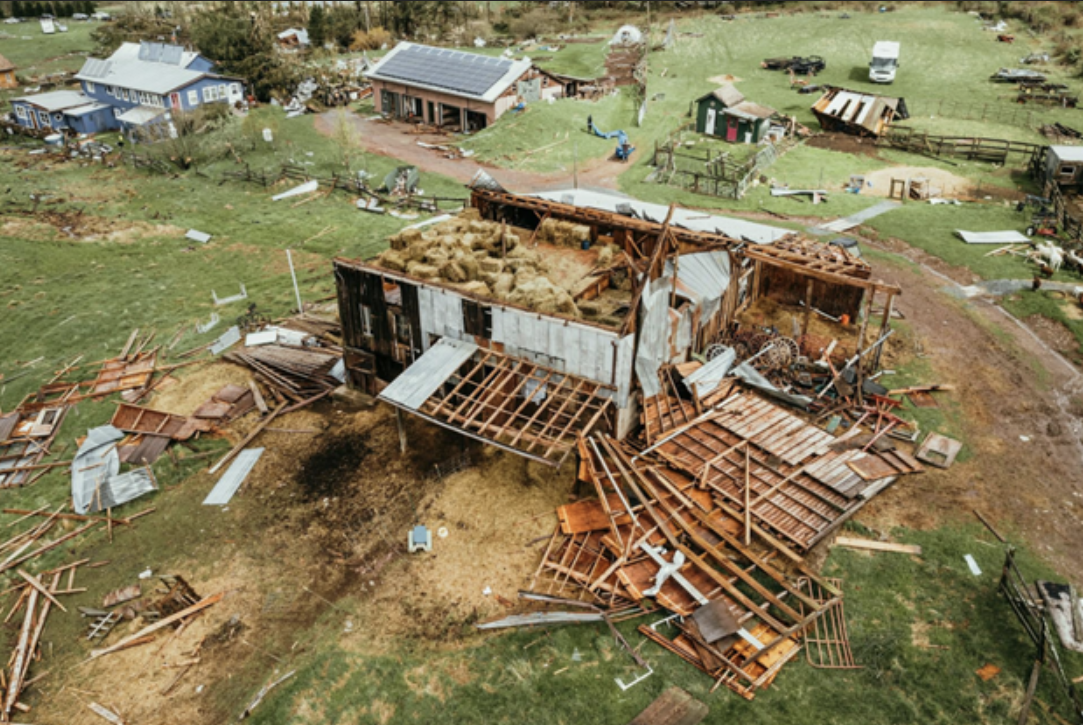
Photo by Clay Banks on Unsplash
Natural disasters leave farms devastated, disrupting livelihoods and infrastructure. Rebuilding after storms requires a clear, structured approach. This guide provides essential steps to assess storm damage, secure aid, and create a resilient recovery plan for your farm.
1. Assessing Farm Storm Damage
The first critical step is evaluating the damage. Prioritize safety by avoiding unstable structures and hazards like flooding or damaged machinery.
Inspecting Structures and Equipment:
Thoroughly inspect barns, silos, houses, storage buildings, and farm equipment. Document structural damage, such as compromised roofs or walls, and assess machinery for water or debris damage.
Evaluating Crops and Livestock:
Assess crop fields for flooding or wind damage. Check livestock thoroughly for injuries and ensure their shelters are secure and functional.
2. Immediate Actions to Mitigate Loss
Once damage is assessed, quickly act to prevent further loss and safeguard your operation.
Securing Livestock and Equipment:
Move animals to safe, dry locations and secure vulnerable equipment. Use drainage systems or pumps to clear standing water.
Emergency Repairs:
Make temporary repairs, such as tarping damaged roofs or patching fences, to protect against additional damage.
3. Contacting Insurance Providers
Insurance plays a key role in farm recovery. Initiate claims quickly and accurately.
Documenting Damage:
Take detailed photos and videos of all damage. List lost livestock, crops, damaged structures, and machinery to expedite insurance claims.
Policy Understanding:
Review your insurance policy carefully. Clarify coverage limits for structures, crops, and livestock with your insurance agent.
4. Financial Assistance for Farm Recovery
In addition to insurance, financial aid programs can provide critical support:
USDA Disaster Assistance Programs:
Explore USDA's Farm Service Agency (FSA) disaster loans, Emergency Conservation Program (ECP), and Livestock Indemnity Program (LIP) for financial relief in debris removal, fence rebuilding, and crop replanting.
Local and Nonprofit Support:
Check state-specific disaster assistance programs and nonprofit grants through organizations like Farm Aid.
5. Creating a Long-Term Farm Recovery Plan
Focus on long-term rebuilding efforts and resilience strategies:
Rebuilding Infrastructure:
Upgrade and fortify structures to withstand future storms. Consider using storm-resistant materials and enhancing flood protection.
Soil Testing and Replanting:
Conduct soil tests post-flood to identify contamination or erosion issues. Consult a local agronomist to guide effective replanting strategies.
6. Building Disaster Resilience for Your Farm
Strengthen your farm's resilience against future natural disasters through proactive planning:
- Crop Diversification: Plant diverse crops to reduce the risk of losing your entire harvest in a single event.
- Sustainable Infrastructure: Invest in sustainable solutions like improved drainage, wind-resistant structures, and renewable energy sources like solar power.
- Technology for Recovery: Use drones for rapid damage assessments, precision agriculture tools for replanting efficiency, and weather monitoring systems to better predict and prepare for storms.
7. Mental Health and Community Support
Farm recovery isn’t just physical—it’s emotional too. Support is available and essential:
Mental Health Resources:
Access counseling services, support groups, and crisis hotlines specifically designed for farmers through agricultural organizations.
Community Support:
Leverage community solidarity. Connect with local farming organizations, neighbors, and cooperatives for emotional and practical support.
AgriStress is a well-known resource. If that isn’t available in your area, check out some others from the USDA’s list of Farm Stress Resources.
Final Thoughts: A Stronger, More Resilient Farm
Rebuilding after storms is challenging, but achievable with careful planning, resourcefulness, and community support. By effectively assessing damage, securing financial aid, and creating resilience-focused recovery plans, you can emerge stronger and better prepared for future storms. Learn more about preparing for severe weather and disasters with our guide!
