How Much Does a Tractor Cost?
How Much Is My Tractor Worth?
Best Tractors for Small Farms
How Much Does a Tractor Tire Weigh?
Most Useful Tractor Implements
Most Popular Tractor Brands
What are Hay Balers?
How Many Bales of Hay Per Acre Can You Produce?
Tractors & Road Safety
What Does PTO Stand for on a Tractor? And How Does It Work?
Compact Vs. Utility Tractors: Which Is Right for Your Farm?
Best Tractor Models for Small to Medium Farms
How To Operate a Skid Steer
Skid Steer Attachments
Manure Spreaders
Grapple Buckets
How Do Combine Harvesters Work?
Autonomous Tractors
What is an Excavator?
How much does a Forklift Cost?
Different Types Of Cattle Barns
How Is Hemp Harvested?
How Does a Concrete Crusher Work? Understanding the Role and Mechanisms of Concrete Crushers
A Beginner’s Guide to Online Farm Equipment Auctions
How Online Farm Auctions Are Transforming the Ag Industry
Corn Harvesting: Where Is Corn Grown in the U.S.?
How to Write Off Farm Equipment on Taxes
Bale Beds for Sale New & Used
Guide to Tillage: What Is Tillage Equipment & Its Process?
Evolution of the Bulldozer
Bulldozers in Construction
Selling Used Farm Equipment
Understanding Commodity Price Trends
Top Tips for Successful Bidding in Online Farm Equipment Auctions
Most Efficient Corn Harvesting
Top Seeders for No-Till Farming
Square vs Round Balers
How to Operate a Skid Steer: A Complete Beginner’s Guide
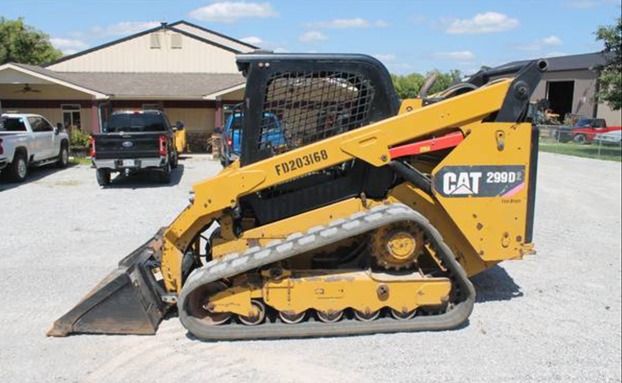
A skid steer, also called a skid loader or SSL (skid steer loader), is a versatile, compact machine used in farming, construction, landscaping, and material handling. It features lift arms on either side and can be equipped with various attachments, making it an essential tool for moving heavy materials, grading land, clearing snow, and digging.
In this guide, we’ll cover what a skid steer is used for, how to start and operate it, and safety precautions to keep in mind when using one.
What Is a Skid Steer Used For?
A skid steer loader is a multi-purpose machine designed to handle various farm and construction tasks. The ability to swap out attachments makes skid steers extremely useful for:
- 🚜 Farming: Moving hay bales, digging trenches, handling feed, and clearing land.
- 🏗 Construction: Grading, excavation, and transporting heavy materials.
- 🌱 Landscaping: Removing debris, leveling surfaces, and installing sod.
- ❄ Snow Removal: Clearing roads, parking lots, and farm paths.
Popular Skid Steer Attachments and Their Uses:
- 🔹 Bucket: Moves dirt, gravel, and debris; also used for grading.
- 🔹 Bale Spear: Moves large round or square hay bales on farms.
- 🔹 Backhoe: Helps with deep digging projects in construction or farming.
- 🔹 Grapple Bucket: Picks up and transports branches, logs, and debris.
- 🔹 Pallet Forks: Moves palletized loads or heavy equipment.
A skid steer’s ability to turn in tight spaces and operate on rough terrain makes it essential for both small farms and large-scale agricultural operations.
Looking for help determining the best skid steer attachment for your tractor? Read more here!
How to Start a Skid Steer
Before starting your skid steer, follow these pre-operation steps to ensure safety and smooth operation.
Step 1: Enter the Cab & Secure Yourself
- ✔ Climb into the enclosed cab or open ROPS (Rollover Protection System) frame.
- ✔ Sit comfortably in the operator’s seat and fasten the seatbelt.
- ✔ Lower the overhead safety bar—this is required before operating the machine.
Step 2: Perform a Pre-Start Check
- 🔹 Look Around the Skid Steer – Ensure there are no obstructions or people in your immediate surroundings.
- 🔹 Check Fluid Levels – Oil, hydraulic fluid, and coolant should be at recommended levels.
- 🔹 Inspect the Attachments – Make sure the attachment is secure and properly connected.
- 🔹 Confirm Parking Brake is Engaged – The skid steer should be in park mode before starting.
Step 3: Start the Engine
- ✔ Insert the key into the ignition (typically located in the upper-right corner).
- ✔ Turn the key to start the engine—most skid steers will display a system check before engaging.
- ✔ Allow the engine to warm up for a few moments before disengaging the parking brake.
Step 4: Release the Parking Brake
Before moving the skid steer, turn off the parking brake. This can only be done if the safety belt and overhead safety bar are properly secured.
How to Drive a Skid Steer
Unlike traditional farm tractors or trucks, skid steers operate with joystick controls instead of a steering wheel. However, joystick functions vary depending on the skid steer brand and model.
Driving a Skid Steer with Dual Arm Controls (Most Common)
- 🔸 Right Joystick – Moves and turns the skid steer right.
- 🔸 Left Joystick – Moves and turns the skid steer left.
- 🔸 Push Both Joysticks Forward – Moves the skid steer straight forward.
- 🔸 Pull Both Joysticks Backward – Moves the skid steer in reverse.
Operating the Boom and Attachments (Dual Control Models)
- 🔹 Foot pedals operate the boom (lift arms) and the bucket/attachment.
- 🔹 Moving the left foot pedal raises or lowers the boom.
- 🔹 Moving the right foot pedal tilts the bucket forward to dump or pulls it back to scoop material.
Driving a Skid Steer with Single Arm Controls
Some skid steers combine movement and boom control into one joystick:
- 🔹 One joystick controls driving (movement forward/back and turning).
- 🔹 The second joystick controls the boom and bucket.
🛑 Pro Tip: Before using a new skid steer, check the operator’s manual to understand how its specific joystick system works.
Do You Need a License to Operate a Skid Steer?
In the United States, you do not need a license to operate a skid steer. However, proper training is required for safe operation.
- ✔ Farmers, ranchers, and construction workers should:
- Understand the controls before using the machine.
- Follow all skid steer safety guidelines to prevent rollovers and injuries.
- Wear appropriate safety gear, including a helmet, gloves, and protective boots.
🛠 Commercial Worksites: If operating a skid steer on a construction site, OSHA (Occupational Safety and Health Administration) may require additional training or certification depending on the job role.
Skid Steer Safety Tips
Skid steers are powerful machines, and safety should always come first.
- ✔ Keep Hands and Feet Inside the Cab – Never operate with arms or legs outside the skid steer.
- ✔ Avoid Sudden Movements – Smooth, gradual turns prevent tipping.
- ✔ Use Attachments Properly – Ensure attachments are locked in place before use.
- ✔ Avoid Overloading the Bucket – Overloading affects stability and can lead to rollovers.
- ✔ Never Exit the Cab Until the Machine is Off – Lower the boom, turn off the engine, and engage the parking brake before exiting.
Learn more about Skid Steer-Loader safety here!
Choosing the Right Skid Steer for Your Needs
When purchasing a skid steer, consider:
- ✅ Tracked vs. Wheeled Models: Tracked skid steers perform better in muddy, uneven terrain, while wheeled skid steers are faster and better on hard surfaces.
- ✅ Attachment Compatibility: Some skid steers support multiple attachments, making them more versatile.
- ✅ Horsepower & Lift Capacity: Match the skid steer’s power to the tasks you need it for.
Ready to Operate Your Skid Steer?
Whether you’re tackling farm chores, handling construction projects, or managing landscaping work, a skid steer can be one of the most valuable pieces of equipment in your lineup. With the right knowledge, attachments, and safety precautions, you’ll be ready to take on a wide range of tasks with confidence and efficiency.
Remember, practice makes perfect. Spend time getting familiar with your skid steer’s controls in a safe, open area before taking on larger projects. Always prioritize safety—for yourself and those around you—and make sure your machine is well-maintained and properly equipped for the job at hand.
🚜 Ready to find the skid steer that fits your needs? Check out our full selection of new and used skid steers and get the job done right!
