How Much Does a Tractor Cost?
How Much Is My Tractor Worth?
Best Tractors for Small Farms
How Much Does a Tractor Tire Weigh?
Most Useful Tractor Implements
Most Popular Tractor Brands
What are Hay Balers?
How Many Bales of Hay Per Acre Can You Produce?
Tractors & Road Safety
What Does PTO Stand for on a Tractor? And How Does It Work?
Compact Vs. Utility Tractors: Which Is Right for Your Farm?
Best Tractor Models for Small to Medium Farms
How To Operate a Skid Steer
Skid Steer Attachments
Manure Spreaders
Grapple Buckets
How Do Combine Harvesters Work?
Autonomous Tractors
What is an Excavator?
How much does a Forklift Cost?
Different Types Of Cattle Barns
How Is Hemp Harvested?
How Does a Concrete Crusher Work? Understanding the Role and Mechanisms of Concrete Crushers
A Beginner’s Guide to Online Farm Equipment Auctions
How Online Farm Auctions Are Transforming the Ag Industry
Corn Harvesting: Where Is Corn Grown in the U.S.?
How to Write Off Farm Equipment on Taxes
Bale Beds for Sale New & Used
Guide to Tillage: What Is Tillage Equipment & Its Process?
Evolution of the Bulldozer
Bulldozers in Construction
Selling Used Farm Equipment
Understanding Commodity Price Trends
Top Tips for Successful Bidding in Online Farm Equipment Auctions
Most Efficient Corn Harvesting
Top Seeders for No-Till Farming
Square vs Round Balers
Best Strategies for Managing and Selling Aging Farm Equipment
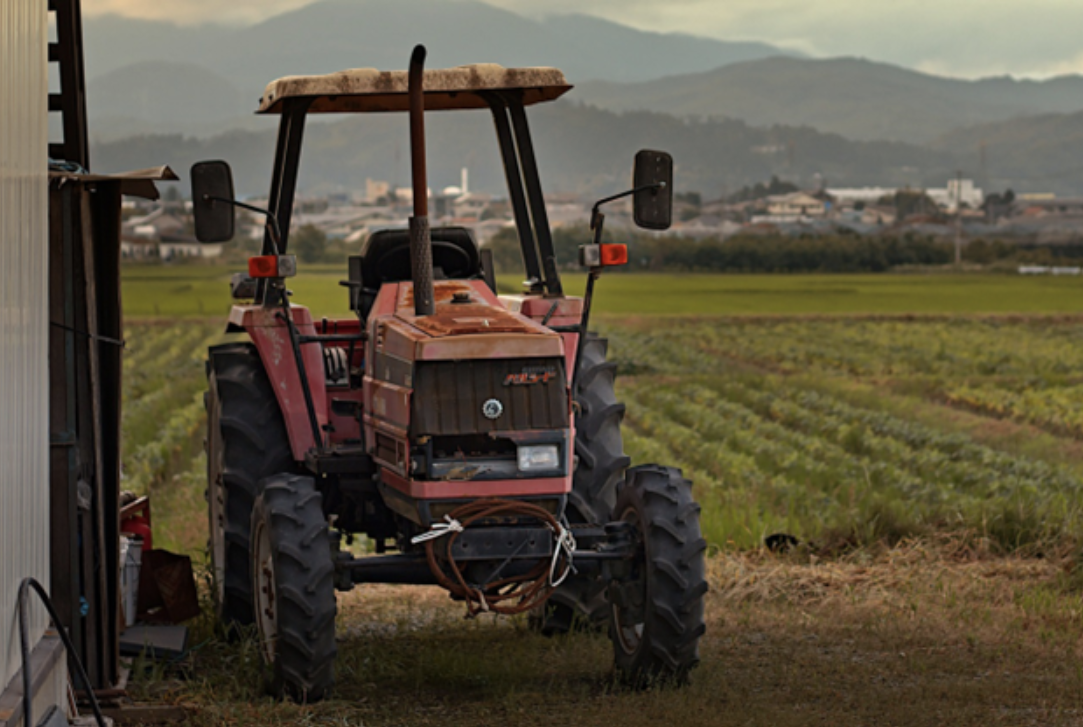
Photo by Dennis Peterson on Pixabay
Managing aging farm equipment is a challenge that every farmer and equipment dealer faces eventually. Machinery that once efficiently powered your operations might now slow down productivity and raise operating costs. For agricultural dealers and farmers, knowing how to effectively manage and sell aging farm equipment is essential to stay profitable and productive.
In this guide, you'll learn five key strategies for managing and selling your used farm equipment, including when to sell, maintenance tips, and leveraging online platforms like Fastline to enhance your returns.
1. When to Sell Aging Farm Equipment
Recognizing the best time to sell is critical for maximizing farm equipment resale value. Consider these factors:
- Age and Usage: Equipment beyond its recommended lifespan may see significant drops in resale value.
- Performance Issues: Frequent breakdowns or performance drops can signal the ideal time to sell.
- Technological Upgrades: Newer technology might decrease the desirability of older models, prompting a quicker sale.
- Market Conditions: Selling during peak demand, typically before planting or harvesting seasons, can boost your profits.
Being proactive about these factors ensures you get the best value from your equipment.
2. Maintenance Best Practices to Retain Value
Consistent maintenance helps preserve your equipment's value and attractiveness to buyers. Essential maintenance practices include:
- Regular Inspections: Frequent checks of hydraulic, electrical, and mechanical components can prevent costly breakdowns.
- Preventative Maintenance: Routine care like oil changes, filter replacements, and regular lubrication can extend machinery life.
- Detailed Records: Maintain thorough service records. Buyers appreciate documented evidence of equipment upkeep.
- Replacement of Worn Parts: Installing new tires, belts, and batteries can significantly boost equipment value.
- Visual Maintenance: Cleaning and painting the machinery regularly demonstrates care, enhancing buyer interest.
Good maintenance directly increases the resale potential of aging farm equipment.
3. Track Market Trends for Optimal Timing
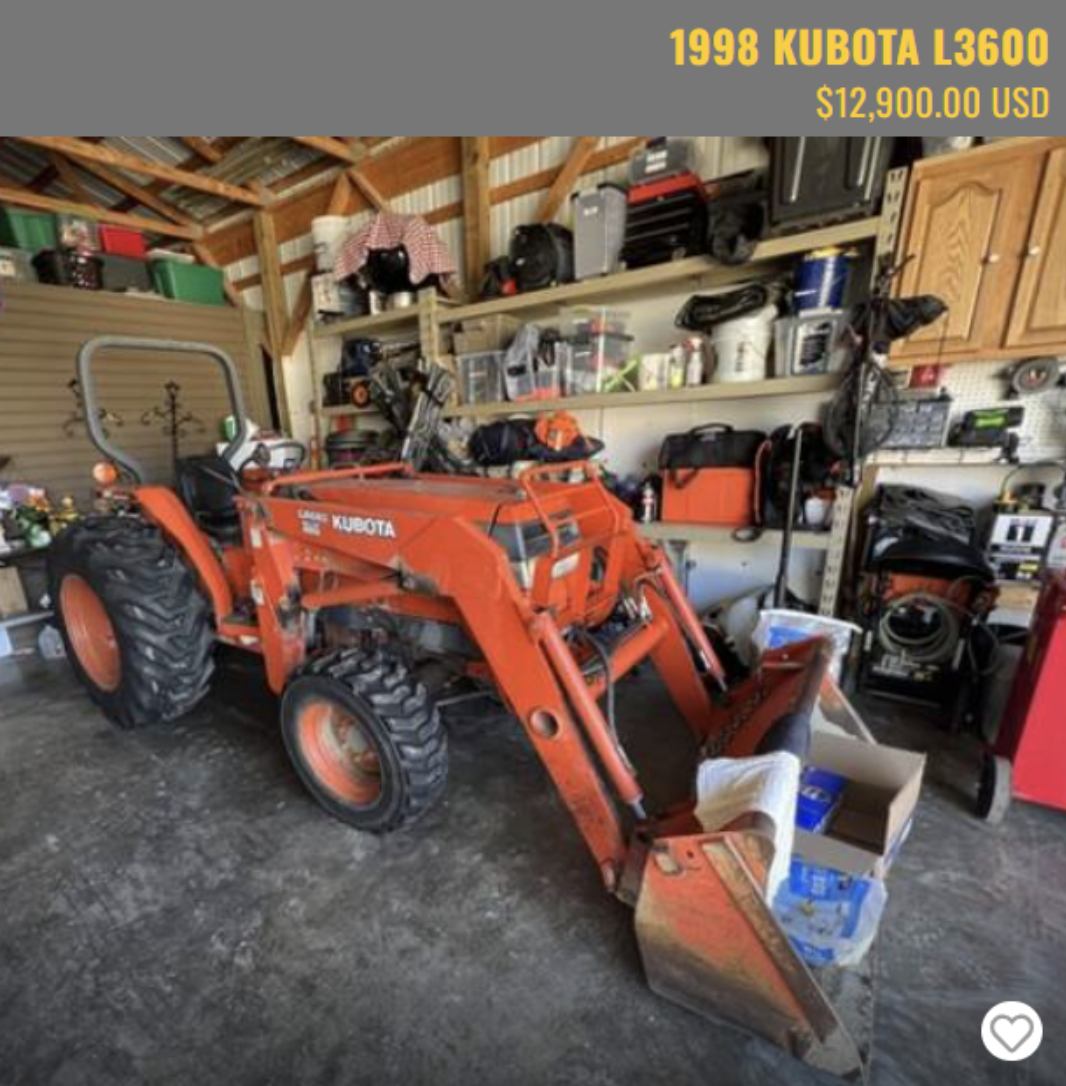
Monitoring market trends is vital for successfully selling aging farm equipment. Consider:
- Seasonal Demand: Equipment sales often peak before planting and harvest seasons, offering higher returns.
- Economic Factors: Rising input costs or economic uncertainty typically boost the demand for cost-effective, used equipment.
- Technological Shifts: New equipment releases can affect older models' desirability, though well-maintained classics often retain value.
Stay informed through reliable sources like the USDA Economic Research Service to understand the current market.
4. Choosing the Right Selling Platform
Selecting the ideal platform to sell farm equipment can significantly affect your profitability. Consider these selling methods:
- Online Platforms: Sites like Fastline provide nationwide visibility, detailed listings, and quicker sales.
- Farm Equipment Auctions: Effective for rapid sales, but prices can vary considerably depending on buyer demand. Here are some Auctioning tips to help ensure successful bids. Consider checking out Fastline Auctions the next time you’re looking to buy or sell farm equipment!
- Private Sales: Offers more control over pricing and negotiations but can limit exposure. Consider placing classifieds with Fastline!
- Dealer Trade-ins: Convenient and fast but typically result in lower returns than private or online sales.
Leveraging the right platform helps ensure the highest possible return for your aging equipment.
5. Enhancing Appeal: How to Market Your Used Farm Equipment Effectively
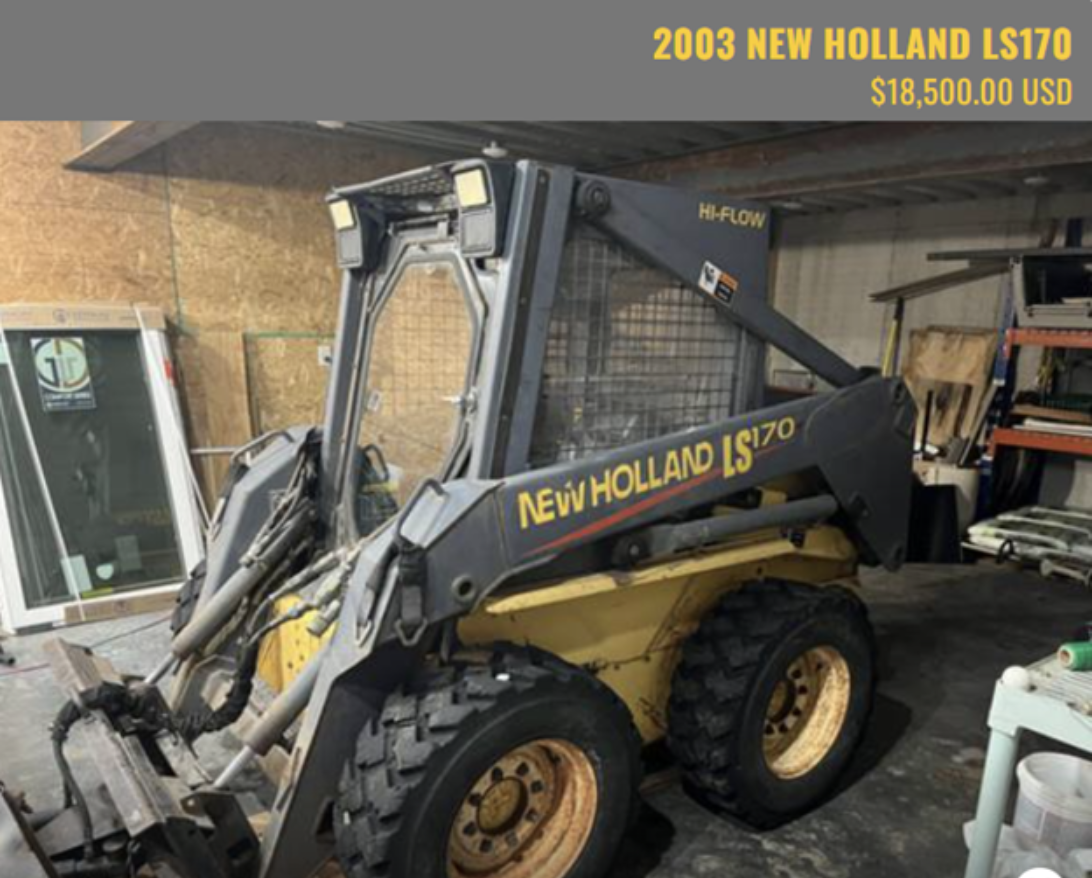
Proper marketing makes a significant difference when selling aging farm equipment. With a few straightforward strategies, you can reach more buyers, highlight your equipment’s strengths, and maximize resale value.
Detailed Listings:
Provide clear, detailed descriptions, including make, model, year, usage hours, maintenance history, and any recent upgrades or repairs. Buyers trust sellers who are transparent about the equipment’s condition and history.
High-Quality Photos and Videos:
Visual content matters. Use clear, high-resolution images that showcase your equipment from multiple angles, highlighting any key features. Adding short videos demonstrating the equipment in action can also significantly boost buyer interest.
Pricing Competitively:
Set a fair and competitive price based on current market trends and equipment condition. Slightly negotiable pricing can encourage buyers to reach out, increasing your chances of a successful sale.
Choosing the Right Platform:
Sell through online marketplaces like Fastline, local classifieds, or social media groups dedicated to farm equipment. Utilizing platforms with a broad audience increases visibility, helping you connect with serious buyers quickly.
By focusing on effective marketing strategies, you can ensure your aging farm equipment reaches the right audience and sells faster, improving overall profitability.
Final Thoughts
Effectively managing and selling aging farm equipment requires a strategic approach. Evaluate equipment lifespan, consistently maintain your machinery, track market trends, and choose the right sales platform. By implementing these strategies, you'll enhance profitability and operational efficiency.
For more tips or to list your used farm equipment, visit Fastline.com and connect quickly with the right buyers.
Additional Sources:
