How Much Does a Tractor Cost?
How Much Is My Tractor Worth?
Best Tractors for Small Farms
How Much Does a Tractor Tire Weigh?
Most Useful Tractor Implements
Most Popular Tractor Brands
What are Hay Balers?
How Many Bales of Hay Per Acre Can You Produce?
Tractors & Road Safety
What Does PTO Stand for on a Tractor? And How Does It Work?
Compact Vs. Utility Tractors: Which Is Right for Your Farm?
Best Tractor Models for Small to Medium Farms
How To Operate a Skid Steer
Skid Steer Attachments
Manure Spreaders
Grapple Buckets
How Do Combine Harvesters Work?
Autonomous Tractors
What is an Excavator?
How much does a Forklift Cost?
Different Types Of Cattle Barns
How Is Hemp Harvested?
How Does a Concrete Crusher Work? Understanding the Role and Mechanisms of Concrete Crushers
A Beginner’s Guide to Online Farm Equipment Auctions
How Online Farm Auctions Are Transforming the Ag Industry
Corn Harvesting: Where Is Corn Grown in the U.S.?
How to Write Off Farm Equipment on Taxes
Bale Beds for Sale New & Used
Guide to Tillage: What Is Tillage Equipment & Its Process?
Evolution of the Bulldozer
Bulldozers in Construction
Selling Used Farm Equipment
Understanding Commodity Price Trends
Top Tips for Successful Bidding in Online Farm Equipment Auctions
Most Efficient Corn Harvesting
Top Seeders for No-Till Farming
Square vs Round Balers
How to Harvest Hemp: A Farmer’s Guide to Timing, Methods, and Equipment
Hemp farming has deep roots in American agriculture, once prized for its strong fibers used in ropes, clothing, and even wagon covers. Today, hemp is making a comeback for its versatile uses, including fiber, oil, seeds, and cannabidiol (CBD) production.
Harvesting hemp successfully takes careful planning. Let’s walk through how hemp is harvested, the best time for harvesting, and what equipment you’ll need to make your crop profitable.
What Exactly is Hemp?
Hemp (Cannabis sativa) is an annual crop related to marijuana, but there’s a big difference: hemp has very low levels of THC (under 0.3%), so it doesn’t produce a psychoactive effect. Farmers today grow industrial hemp primarily for its valuable fiber, seeds, oil, and CBD extracts, which offer nutritional and commercial benefits.
According to the USDA, hemp farming is closely regulated, and growers must stay compliant with state and federal guidelines.
Best Conditions for Growing Hemp
Before harvesting, growing conditions matter. Hemp thrives best in:
- Well-drained, fertile soil
- Soil pH between 6.0 - 7.0
- Moderate climates without heavy frost
- Fields with good sunlight exposure
Hemp is sensitive to heavy clay or overly wet soil, so picking a good planting location can make or break your yield.
When to Harvest Hemp
Knowing exactly when to harvest hemp is crucial to ensure maximum quality and compliance with legal THC limits.
- Planting Time: Typically plant in early May to early June.
- Harvest Window: Usually occurs from late September to early November.
- Growth Duration: Hemp reaches full maturity between 100 to 120 days.
Harvesting too early can reduce yield and potency. Harvesting too late increases THC levels, potentially pushing your crop beyond the legal limit of 0.3%. Keep a close eye on your plants’ maturity and check local weather conditions frequently to avoid frost damage.
Signs Hemp is Ready to Harvest:
- Fiber Hemp: Harvest before seeds fully mature, typically when stalks turn from green to brown.
- Seed Hemp: Harvest when seeds are hard and mature, roughly 4-6 weeks after flowering.
- CBD Hemp: Harvest when trichomes (tiny crystals) turn milky white and resinous, usually around mid-to-late flowering.
How is Hemp Harvested?
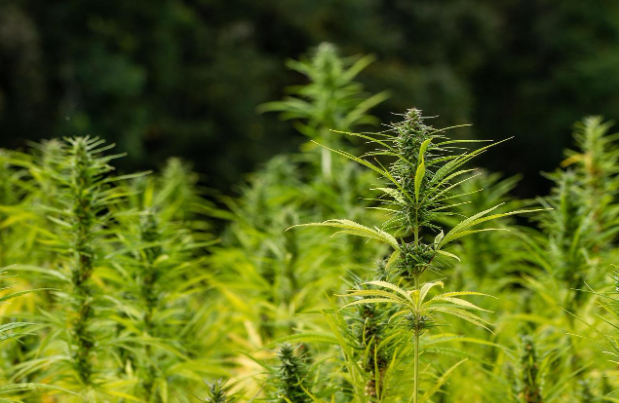
Hemp harvesting methods differ based on your crop’s intended use:
1. Harvesting Hemp for Fiber
Fiber hemp plants are tall and planted close together to promote vertical growth. Specialized equipment like a sickle mower, discbine, or disc mower efficiently cuts and windrows these plants.
Best Equipment: Discbines, disc mowers, or sickle bar mowers.
Next Steps: After cutting, fiber hemp is typically left to dry (retting process) in the field before baling and storage.
2. Harvesting Hemp for Seeds
Seed harvesting requires female hemp plants with maximum seed yield and minimal fiber. It’s essential to avoid seeds dropping prematurely or immature seeds not fully ripening.
Best Equipment: Modified grain combines work best for hemp seed harvesting, cutting, threshing, and cleaning seed efficiently.
Harvest Tips: Monitor seed moisture closely; seeds should ideally be harvested at 12-15% moisture content to prevent spoilage.
3. Harvesting Hemp for CBD
CBD hemp flowers are fragile, often requiring a gentler approach. Many farmers prefer hand-harvesting or specialized equipment designed specifically for cannabis harvesting.
Best Equipment: Hand tools, hemp-specific harvesting machinery, or specialized trimming equipment.
Harvest Tips: Harvest gently to avoid damage. Flowers should be dried carefully to preserve CBD quality.
Essential Hemp Harvesting Equipment
Here’s a quick rundown of the essential equipment you may need to efficiently harvest hemp:
- Sickle Bar Mowers: Good for small-to-medium fiber crops.
- Discbine or Disc Mower: Ideal for large-scale fiber hemp harvesting.
- Grain Combines: Adapted for harvesting hemp seeds efficiently.
- Hemp-Specific Trimmers: Designed for delicate CBD flower harvesting.
- Drying Facilities: Proper drying and curing rooms to preserve quality and prevent mold.
For reliable equipment options, browse Fastline's Hemp Equipment Listings.
Regulatory Considerations for Hemp Harvesting
Remember, compliance is key. The USDA requires regular testing to ensure THC levels remain below 0.3%. Exceeding this limit can result in a crop being declared unusable, a costly scenario for any grower.
Be sure to:
- Regularly test hemp crops for THC content.
- Maintain clear documentation for state compliance.
- Consult your state agricultural extension or USDA hemp regulations for current guidelines.
Helpful Educational Resources for Hemp Growers
For additional guidance on hemp production and harvesting best practices, consider these trusted sources:
- USDA Agricultural Marketing Service Hemp Production
- Farm Journal’s Hemp College
- University Agricultural Extension Services
Wrapping It Up
Harvesting hemp successfully means knowing exactly when and how to harvest, selecting the best equipment for the job, and staying compliant with local and federal guidelines. Whether you're growing hemp for fiber, seeds, or CBD extraction, careful preparation makes all the difference.
Ready to get harvesting? Fastline can help you find the equipment you need to ensure your hemp crop is a success from planting to harvest.
