How Much Does a Tractor Cost?
How Much Is My Tractor Worth?
Best Tractors for Small Farms
How Much Does a Tractor Tire Weigh?
Most Useful Tractor Implements
Most Popular Tractor Brands
What are Hay Balers?
How Many Bales of Hay Per Acre Can You Produce?
Tractors & Road Safety
What Does PTO Stand for on a Tractor? And How Does It Work?
Compact Vs. Utility Tractors: Which Is Right for Your Farm?
Best Tractor Models for Small to Medium Farms
How To Operate a Skid Steer
Skid Steer Attachments
Manure Spreaders
Grapple Buckets
How Do Combine Harvesters Work?
Autonomous Tractors
What is an Excavator?
How much does a Forklift Cost?
Different Types Of Cattle Barns
How Is Hemp Harvested?
How Does a Concrete Crusher Work? Understanding the Role and Mechanisms of Concrete Crushers
A Beginner’s Guide to Online Farm Equipment Auctions
How Online Farm Auctions Are Transforming the Ag Industry
Corn Harvesting: Where Is Corn Grown in the U.S.?
How to Write Off Farm Equipment on Taxes
Bale Beds for Sale New & Used
Guide to Tillage: What Is Tillage Equipment & Its Process?
Evolution of the Bulldozer
Bulldozers in Construction
Selling Used Farm Equipment
Understanding Commodity Price Trends
Top Tips for Successful Bidding in Online Farm Equipment Auctions
Most Efficient Corn Harvesting
Top Seeders for No-Till Farming
Square vs Round Balers
What Is an Excavator? Types, Attachments, and How to Choose One
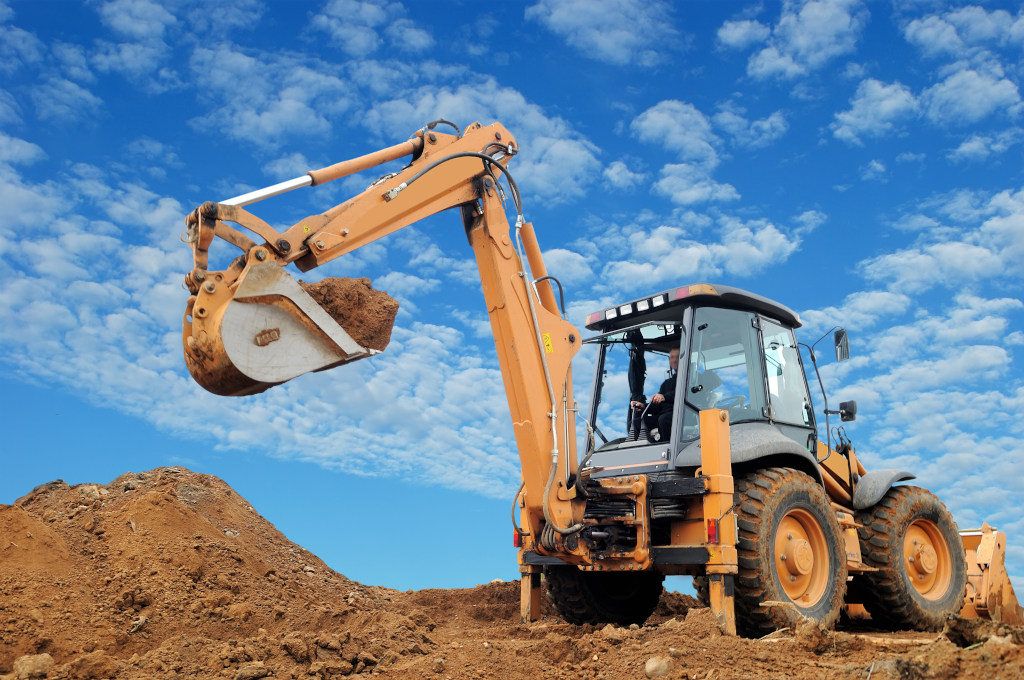
Excavators are powerful machines used to dig, lift, and clear debris on farms, construction sites, and rural properties. You might know them by their familiar appearance: a cab on a rotating platform with a long boom arm and bucket attachment. But excavators are more than just digging tools—they’re versatile, capable workhorses that can tackle almost any heavy-duty task.
Whether you're removing tree stumps, clearing land, or digging drainage trenches, an excavator makes tough work easier. Here, we'll cover what an excavator is, the different types, attachment options, and how to pick the right one for your needs.
What Exactly is an Excavator?
An excavator is a heavy machine used primarily for excavation and demolition work. It features:
- A boom (long arm)
- A dipper/stick (shorter arm connected to the boom)
- A bucket or attachment at the end
- A rotating cab (known as the "house")
- Either tracks or wheels for movement
Excavators can dig deep trenches, move large piles of debris, or even tear down old buildings. They’re essential for farms, construction crews, landscaping businesses, and anyone managing rural land.
Types of Excavators & Their Uses
Choosing the right type depends on your specific tasks, job site, and budget. Here's an overview of the main excavator types:
1. Standard Hydraulic Excavators
These are the most common. They use hydraulic fluid to move smoothly and efficiently. Hydraulic excavators range from small to large and are perfect for general excavation, land clearing, demolition, and heavy lifting.
2. Mini Excavators
Smaller and lightweight, mini excavators (typically under 6 tons) are ideal for tight spaces. Farmers and homeowners use these for landscaping, trenching, and small construction projects. They usually have rubber tracks to protect surfaces like lawns and pavement.
3. Wheeled Excavators
Instead of tracks, wheeled excavators have tires, allowing quick travel between job sites. They’re popular with road crews and contractors who frequently move equipment between locations.
4. Dragline Excavators
These heavy-duty machines have a long boom with a bucket that’s lowered and dragged to excavate large amounts of earth. They’re mainly used for big jobs like mining, pond creation, and large-scale construction.
5. Suction Excavators (Vacuum Trucks)
Suction excavators gently remove soil and debris using powerful vacuums, making them excellent for delicate jobs around underground utilities or in urban areas.
Other specialized excavators include long-reach excavators for hard-to-access areas and amphibious excavators, which float for work near water.
Popular Excavator Attachments & Why They Matter
The right attachment turns an excavator into an all-around workhorse. Here's a quick look at popular attachments and their uses:
- Buckets: Most common attachment, available for digging, trenching, and moving material.
- Hydraulic Breakers (Hammers): Break concrete or rocks quickly.
- Augers: Drill precise holes for fences, poles, or posts.
- Grapples: Lift and move logs, brush, or debris efficiently.
- Thumbs: Work with buckets to grip objects securely.
- Rippers: Loosen tough soil, roots, or rocks.
- Quick Couplers: Allow fast attachment swapping, increasing productivity.
Always choose attachments suited for your machine’s size, hydraulic capacity, and your project's needs.
Leading Excavator Brands: What Farmers and Contractors Trust
Choosing a reliable brand matters. Here are top excavator manufacturers known for durability, reliability, and performance:
- Caterpillar: Highly durable, precise hydraulic controls, excellent dealer support.
- John Deere: Known for compact and standard excavators with Articulation Plus for better maneuverability.
- Hyundai: Reliable excavators available in both wheeled and tracked models, ideal for versatile tasks.
- New Holland: Offers strong, efficient machines designed for comfort, control, and heavy-duty performance.
- Kubota: Exceptional compact excavators ideal for small farms and tight construction sites.
Buying from trusted brands ensures access to parts, service, and reliable support. Fastline offers many other reliable brands as well. So do your research and check out our listings!
How to Choose the Right Excavator for Your Needs
Picking the right excavator involves several key considerations:
1. Job Site Size and Accessibility
- Small sites and tight spaces need mini excavators.
- Large-scale excavation or extensive land clearing demands larger machines.
2. Terrain Type
- Rough, muddy, or steep terrain requires tracked excavators.
- Flat, firm surfaces and frequent relocation mean wheeled excavators might be better.
3. Attachments Needed
Consider which tasks you'll frequently perform and select attachments accordingly. Ensure your chosen machine has the hydraulic capacity for those attachments.
4. Budget
- New excavators offer reliability and warranties but come at higher upfront costs.
- Used excavators can save money if they're well-maintained.
5. Safety and Training
- Always confirm operators have proper training.
- Choose equipment that suits operator comfort and safety needs, reducing fatigue and improving productivity.
How Much Does an Excavator Cost?
Excavator prices vary depending on size, age, and capabilities:
| Excavator Type | Typical Price Range |
|---|---|
| Mini Excavators | $15,000 - $50,000 |
| Mid-Size Excavators | $50,000 - $150,000 |
| Large Excavators | $150,000 - $500,000+ |
Consider long-term value, including fuel efficiency, maintenance costs, and potential resale value.
Maintaining Your Excavator and Attachments
Regular maintenance helps your excavator stay reliable and extends its lifespan. Follow these basic tips:
- Inspect hydraulic systems regularly.
- Keep attachments clean, lubricated, and inspected.
- Change oil, filters, and fluids according to manufacturer recommendations.
- Monitor tracks or wheels for wear and tear.
- Store equipment properly when not in use.
Final Thoughts: Why Excavators are Essential
An excavator is a powerful investment, capable of handling tough tasks around your farm, construction site, or property. Whether you're clearing land, digging trenches, demolishing structures, or doing general earthmoving, these versatile machines deliver productivity and efficiency.
Ready to find the perfect excavator? Check out Fastline’s excavator listings and see available options that match your needs and budget today!
