How Much Does a Tractor Cost?
How Much Is My Tractor Worth?
Best Tractors for Small Farms
How Much Does a Tractor Tire Weigh?
Most Useful Tractor Implements
Most Popular Tractor Brands
What are Hay Balers?
How Many Bales of Hay Per Acre Can You Produce?
Tractors & Road Safety
What Does PTO Stand for on a Tractor? And How Does It Work?
Compact Vs. Utility Tractors: Which Is Right for Your Farm?
Best Tractor Models for Small to Medium Farms
How To Operate a Skid Steer
Skid Steer Attachments
Manure Spreaders
Grapple Buckets
How Do Combine Harvesters Work?
Autonomous Tractors
What is an Excavator?
How much does a Forklift Cost?
Different Types Of Cattle Barns
How Is Hemp Harvested?
How Does a Concrete Crusher Work? Understanding the Role and Mechanisms of Concrete Crushers
A Beginner’s Guide to Online Farm Equipment Auctions
How Online Farm Auctions Are Transforming the Ag Industry
Corn Harvesting: Where Is Corn Grown in the U.S.?
How to Write Off Farm Equipment on Taxes
Bale Beds for Sale New & Used
Guide to Tillage: What Is Tillage Equipment & Its Process?
Evolution of the Bulldozer
Bulldozers in Construction
Selling Used Farm Equipment
Understanding Commodity Price Trends
Top Tips for Successful Bidding in Online Farm Equipment Auctions
Most Efficient Corn Harvesting
Top Seeders for No-Till Farming
Square vs Round Balers
Understanding Commodity Price Trends and Their Impact on Farming

Commodity prices play a critical role in agriculture, directly influencing farm profitability, purchasing decisions, and the broader economy in rural areas. Understanding commodity price trends can help farmers and equipment dealers manage their operations and make strategic decisions aligned with market conditions. This guide explores why commodity prices fluctuate, their impact on farming profitability, and how these trends affect farm equipment decisions.
What Are Commodity Prices and Why Do They Fluctuate?
Commodity prices represent the market value of agricultural products such as grains, soybeans, livestock, and other raw materials. These prices frequently change due to several key factors, creating uncertainty and volatility for farmers.
Factors Influencing Commodity Prices:
- Supply and Demand: Surpluses cause prices to drop; shortages, often due to poor weather or pest outbreaks, drive prices up.
- Weather Conditions: Events like droughts, floods, and early frosts significantly affect yields, causing rapid price fluctuations.
- Global Trade Policies: Changes in international trade agreements, tariffs, or export restrictions can alter commodity availability, impacting prices.
- Energy Costs: Higher oil and energy costs raise production and transportation expenses, affecting overall commodity pricing.
- Commodity Futures Markets: Futures contracts, driven by speculation and investor activity, can lead to short-term volatility.
Understanding these influences helps farmers and dealers prepare for price swings and adjust their strategies accordingly.
How Commodity Prices Affect Farming Profitability and Purchasing Decisions
The profitability of farming operations closely ties to commodity price trends. High commodity prices increase farmers' purchasing power, allowing them to invest in new equipment or advanced technologies. Conversely, when prices decline, budgets tighten, leading farmers to delay purchases or choose used equipment instead.
Key Impacts on Decision-Making:
- Capital Investment: High prices encourage farmers to invest in new machinery, while low prices often lead to maintaining or repairing existing equipment.
- Leasing vs. Buying: Price uncertainty often makes leasing equipment more attractive as it requires less immediate capital.
- Equipment Size and Capacity: Farmers tend to upgrade to larger, more efficient machinery when prices are high but remain cautious during low-price periods.
Current Trends in Major Agricultural Commodities
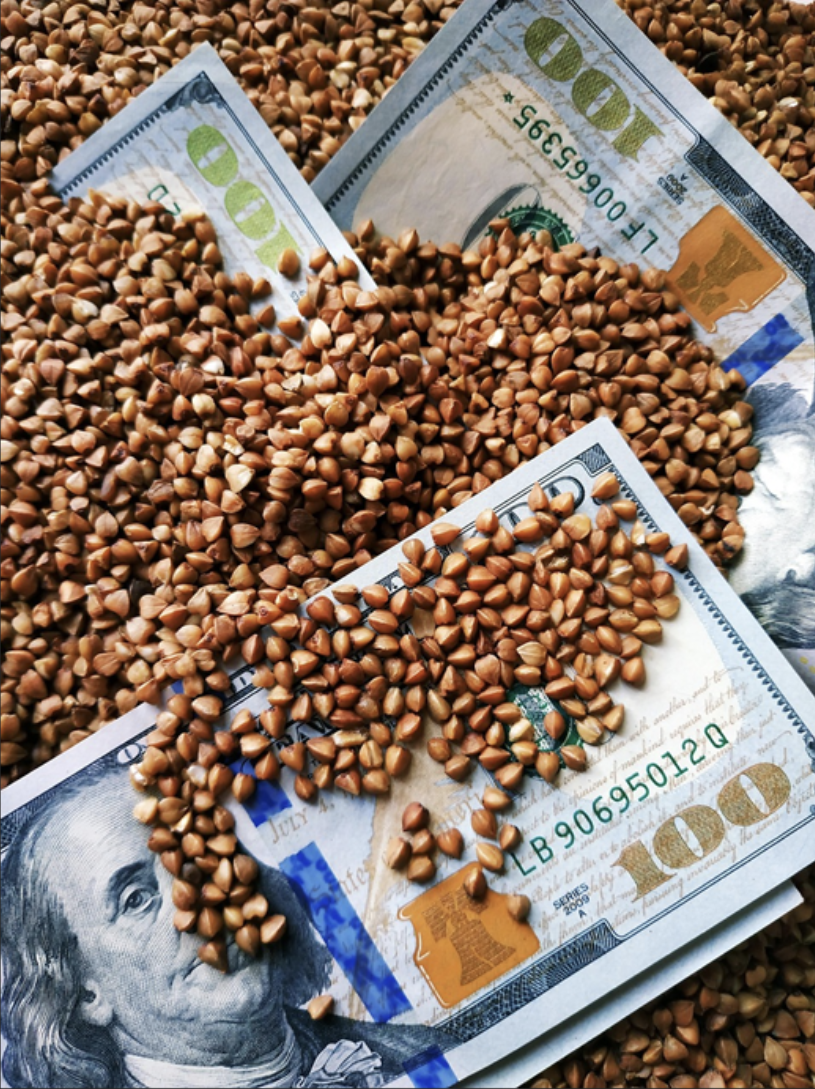
Staying updated on major commodities helps anticipate market movements:
- Corn: Prices are affected by ethanol production and renewable energy mandates. Policy shifts can significantly influence demand and pricing.
- Soybeans: Global trade dynamics, especially with major buyers like China, greatly impact soybean prices. Weather conditions in key producing regions like Brazil and the U.S. also affect price volatility.
- Wheat: Prices fluctuate due to weather-related yield changes and geopolitical instability in major wheat-exporting regions.
USDA Market Reports provide real-time data for better-informed decisions.
Linking Commodity Prices to Farm Equipment Demand
Commodity price trends directly correlate to demand for new and used farm equipment:
- High Commodity Prices: Farmers invest in new, higher-capacity equipment to increase productivity.
- Low Commodity Prices: Farmers shift towards used equipment or maintenance of existing machinery to manage costs.
- Increased Financing Needs: Volatile commodity markets heighten demand for flexible financing solutions or lease programs.
Inventory Management and Pricing Strategies for Farm Equipment
Aligning equipment inventory and pricing strategies with commodity price trends can maximize profitability:
- Dynamic Pricing: Adjust equipment prices in response to commodity market shifts. Lower prices for used equipment during downturns attract buyers.
- Inventory Diversification: Maintain a balanced inventory of both new and used equipment to cater to changing farmer needs.
- Flexible Financing Options: Offer lease-to-own or extended payment plans to help farmers manage capital during volatile market periods.
Leveraging platforms like Fastline can further enhance market reach and responsiveness.
Building Resilience Through Market Knowledge
Staying informed about commodity price trends empowers farmers and equipment dealers to better navigate agricultural market fluctuations. Proactive inventory management, strategic purchasing decisions, and leveraging financial tools build resilience against volatility.
For ongoing insights and market updates, visit Fastline’s Agricultural Market Resources.
