How Much Does a Tractor Cost?
How Much Is My Tractor Worth?
Best Tractors for Small Farms
How Much Does a Tractor Tire Weigh?
Most Useful Tractor Implements
Most Popular Tractor Brands
What are Hay Balers?
How Many Bales of Hay Per Acre Can You Produce?
Tractors & Road Safety
What Does PTO Stand for on a Tractor? And How Does It Work?
Compact Vs. Utility Tractors: Which Is Right for Your Farm?
Best Tractor Models for Small to Medium Farms
How To Operate a Skid Steer
Skid Steer Attachments
Manure Spreaders
Grapple Buckets
How Do Combine Harvesters Work?
Autonomous Tractors
What is an Excavator?
How much does a Forklift Cost?
Different Types Of Cattle Barns
How Is Hemp Harvested?
How Does a Concrete Crusher Work? Understanding the Role and Mechanisms of Concrete Crushers
A Beginner’s Guide to Online Farm Equipment Auctions
How Online Farm Auctions Are Transforming the Ag Industry
Corn Harvesting: Where Is Corn Grown in the U.S.?
How to Write Off Farm Equipment on Taxes
Bale Beds for Sale New & Used
Guide to Tillage: What Is Tillage Equipment & Its Process?
Evolution of the Bulldozer
Bulldozers in Construction
Selling Used Farm Equipment
Understanding Commodity Price Trends
Top Tips for Successful Bidding in Online Farm Equipment Auctions
Most Efficient Corn Harvesting
Top Seeders for No-Till Farming
Square vs Round Balers
Farm Emergency Response Plan: Protect Your Farm from Storm Damage
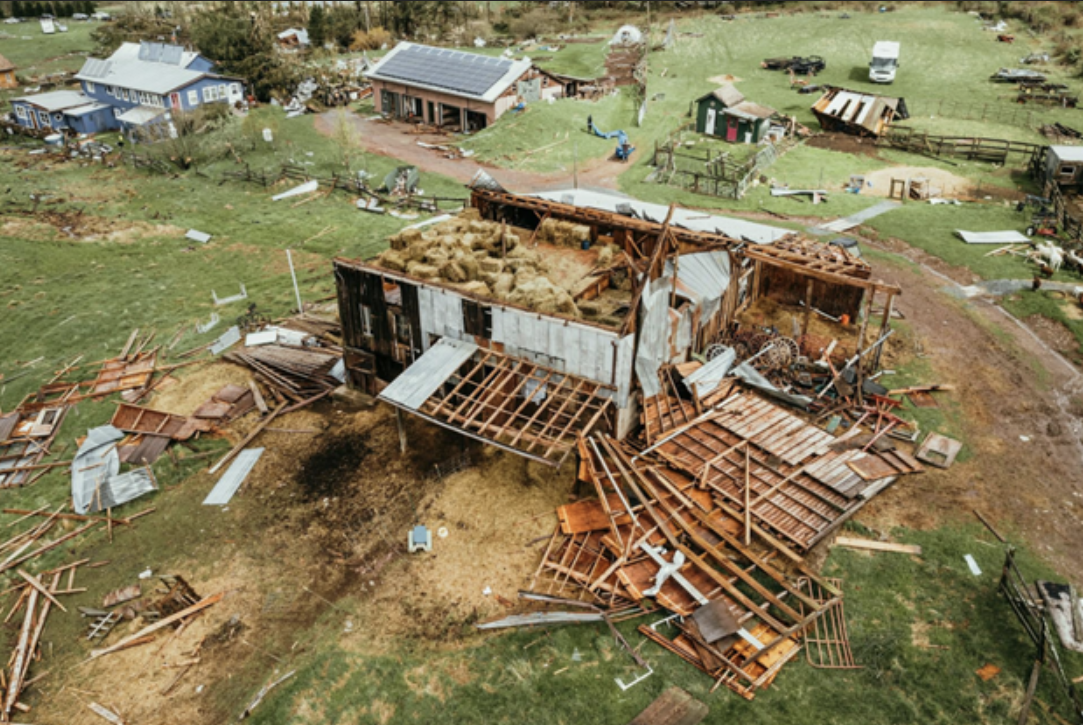
Photo by Joshua Eckl on Unsplash
Severe weather events like tornadoes, hurricanes, floods, and wildfires pose serious threats to farms. Without a clear farm emergency response plan, storms can quickly devastate crops, livestock, buildings, and even put lives at risk.
This guide will help you create a proactive storm preparedness strategy to protect your farm, equipment, livestock, and workers. A well-crafted plan provides peace of mind and ensures you're ready when severe weather strikes.
Understanding Your Farm’s Storm Risks
Every farm faces unique weather risks. Understanding these risks is essential to developing an effective emergency response plan:
- Tornadoes: Common in the Midwest, require rapid shelter plans.
- Hurricanes & Floods: Prevalent in coastal or low-lying areas, necessitating evacuation and flood management strategies.
- Wildfires: A risk in dry, hot regions, demanding firebreaks and rapid evacuation plans.
- Blizzards & Ice Storms: Frequent in northern states, requiring winter preparedness and livestock protection.
Tailor your preparedness strategy specifically to your region’s primary risks for the best outcomes.
Creating Your Farm Emergency Response Plan
An effective response plan covers three stages—before, during, and after the storm. Clearly document the following components and review them regularly.
Assign Roles and Responsibilities
Clearly defining roles ensures smooth operations in emergencies:
- Farm Manager: Coordinates overall emergency response.
- Livestock Caretakers: Focus on animal safety.
- Equipment Manager: Moves and secures farm machinery.
- Field Supervisor: Protects crops and manages field preparation.
Always establish backup roles in case key individuals are unavailable.
Establish Reliable Communication
Communication during emergencies is critical. Develop and regularly update:
- Local emergency contacts (police, veterinarians, hospitals).
- Notification systems (phone trees, texting groups, or apps).
- Mutual aid agreements with nearby farms for support.
Evacuation Planning
In scenarios requiring evacuation, designate safe routes and meeting points. Identify nearby emergency shelters accepting livestock, and ensure everyone knows these details.
Protecting Livestock During Storms
Livestock are particularly vulnerable to severe weather. The USDA recommends securing livestock in sturdy structures to minimize injury during storms. Prioritize animal safety through:
- Reinforced Shelters: Secure barns and shelters to withstand severe winds and debris.
- Stocked Supplies: Store ample feed and water in case of disruptions.
- Animal Stress Management: Calming techniques like soft music, special feed supplements, and proper lighting help reduce stress during storms.
- Identification: Clearly mark animals using ear tags, leg bands, or spray-paint with contact information for quick recovery if lost.
Crop and Field Protection
Storms can devastate crops. Implement these measures to minimize damage:
- Drainage Management: Regularly clear ditches and waterways to prevent flooding.
- Windbreaks: Plant trees or shrubs to reduce wind damage and erosion.
- Soil Health Monitoring: Inspect soil post-storm for erosion and nutrient loss. Planting cover crops can quickly restore stability.
Learn more about how to assess potential damages and start the recovery process.
Equipment and Building Safety
Protect your farm equipment and structures by:
- Storing Machinery: Move equipment indoors or securely tie it down. Elevate smaller items and disconnect electronics.
- Reinforcing Structures: Inspect and repair barns, sheds, and buildings regularly. Use flood barriers or elevate buildings in flood-prone areas.
- Chemical Storage: Keep fertilizers and chemicals sealed in waterproof containers away from flood-prone areas.
Personal Safety During and After a Storm
Protecting people on your farm is the top priority.
Shelter-in-Place:
When evacuation isn’t feasible, shelter safely indoors away from windows and doors. Tornadoes require interior rooms or basements; hurricanes need reinforced buildings away from glass.
Post-Storm Caution:
Avoid downed power lines, flooded areas, and damaged structures until cleared by emergency professionals.
Farm Recovery and Building Resilience
Effective recovery sets the stage for better preparedness:
- Document Damage: Photograph and record all storm damage immediately for insurance claims.
- Insurance Claims: Contact your insurer promptly for faster processing.
- Future Improvements: Use recovery as an opportunity to enhance infrastructure, reinforce windbreaks, or upgrade drainage systems.
Here is a more in-depth guide to help you start your farm’s recovery process.
Building Your Farm’s Resilience Today
Storms are inevitable, but a strong emergency response plan will significantly reduce damage and recovery time. By carefully assessing your risks, clearly defining emergency roles, protecting livestock and crops, and securing equipment, your farm can confidently face severe weather events.
Start building your farm’s emergency preparedness today, ensuring resilience and protecting your investment in the face of future storms.
Browse farm safety and preparedness equipment at Fastline to ensure you're storm-ready.
Additional Resources:
