How Much Does a Tractor Cost?
How Much Is My Tractor Worth?
Best Tractors for Small Farms
How Much Does a Tractor Tire Weigh?
Most Useful Tractor Implements
Most Popular Tractor Brands
What are Hay Balers?
How Many Bales of Hay Per Acre Can You Produce?
Tractors & Road Safety
What Does PTO Stand for on a Tractor? And How Does It Work?
Compact Vs. Utility Tractors: Which Is Right for Your Farm?
Best Tractor Models for Small to Medium Farms
How To Operate a Skid Steer
Skid Steer Attachments
Manure Spreaders
Grapple Buckets
How Do Combine Harvesters Work?
Autonomous Tractors
What is an Excavator?
How much does a Forklift Cost?
Different Types Of Cattle Barns
How Is Hemp Harvested?
How Does a Concrete Crusher Work? Understanding the Role and Mechanisms of Concrete Crushers
A Beginner’s Guide to Online Farm Equipment Auctions
How Online Farm Auctions Are Transforming the Ag Industry
Corn Harvesting: Where Is Corn Grown in the U.S.?
How to Write Off Farm Equipment on Taxes
Bale Beds for Sale New & Used
Guide to Tillage: What Is Tillage Equipment & Its Process?
Evolution of the Bulldozer
Bulldozers in Construction
Selling Used Farm Equipment
Understanding Commodity Price Trends
Top Tips for Successful Bidding in Online Farm Equipment Auctions
Most Efficient Corn Harvesting
Top Seeders for No-Till Farming
Square vs Round Balers
Understanding Trailer Hitch Classes: Choosing the Right Hitch for Your Towing Needs
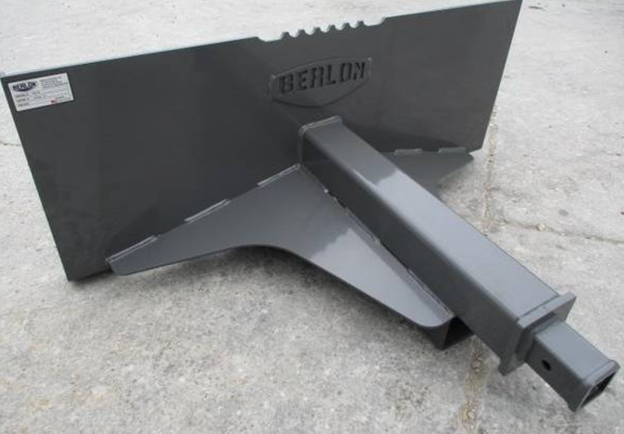
Whether you're hauling farm equipment, livestock, or materials, having the right trailer hitch class ensures safe and efficient towing. Hitch classes range from light-duty to heavy-duty, each designed for specific loads and vehicle types. Choosing the correct hitch class helps prevent damage to your vehicle, enhances stability, and ensures a smooth hauling experience.
In this guide, we’ll break down the five trailer hitch classes, their towing capacities, best uses, and how to choose the right hitch for your farm or business.
What Are Trailer Hitch Classes?
Trailer hitch classes categorize hitches by weight capacity and receiver size. Each class is designed for specific towing applications, ranging from lightweight cargo transport to heavy-duty commercial hauling.
The five main hitch classes include:
- ✅ Class 1 – Light-duty towing (bike racks, small trailers)
- ✅ Class 2 – Medium-duty towing (small boats, single-axle trailers)
- ✅ Class 3 – Heavy-duty towing (utility trailers, farm tools)
- ✅ Class 4 – Extra-heavy-duty towing (livestock trailers, large equipment)
- ✅ Class 5 – Commercial and industrial towing (heavy machinery, commercial trailers)
Understanding which hitch class fits your towing needs helps ensure safe and legal hauling.
Trailer Hitch Class Ratings and Capacities
Each trailer hitch class has different weight limits, receiver sizes, and applications.
Class 1 Trailer Hitch – Light-Duty Towing
- 🔹 Towing Capacity: Up to 2,000 lbs
- 🔹 Receiver Size: 1.25-inch
- 🔹 Common Uses: Bike racks, small utility trailers
- 🔹 Compatible Vehicles: Compact cars, sedans
Class 1 hitches are best for light hauling and recreational use but not suited for heavy loads or farm equipment.
Class 2 Trailer Hitch – Medium-Duty Towing
- 🔹 Towing Capacity: Up to 3,500 lbs
- 🔹 Receiver Size: 1.25-inch
- 🔹 Common Uses: Small boats, livestock trailers
- 🔹 Compatible Vehicles: Sedans, minivans, small SUVs
A Class 2 hitch is an excellent option for hobby farmers who occasionally haul small trailers, tools, or livestock.
Class 3 Trailer Hitch – Heavy-Duty Towing
- 🔹 Towing Capacity: Up to 8,000 lbs (up to 12,000 lbs with weight distribution)
- 🔹 Receiver Size: 2-inch
- 🔹 Common Uses: Utility trailers, farm equipment, larger livestock trailers
- 🔹 Compatible Vehicles: Full-size SUVs, pickup trucks
Class 3 hitches are one of the most popular options because they provide strong towing capacity while maintaining vehicle versatility.
Class 4 Trailer Hitch – Extra Heavy-Duty Towing
- 🔹 Towing Capacity: Up to 10,000 lbs (up to 14,000 lbs with weight distribution)
- 🔹 Receiver Size: 2-inch or 2.5-inch
- 🔹 Common Uses: Large farm trailers, hay baling equipment, RVs
- 🔹 Compatible Vehicles: Heavy-duty trucks, full-size SUVs
A Class 4 hitch is ideal for farmers hauling larger loads or agriculture professionals moving heavy equipment.
Class 5 Trailer Hitch – Commercial & Industrial Towing
- 🔹 Towing Capacity: Up to 20,000 lbs or more
- 🔹 Receiver Size: 2.5-inch or 3-inch
- 🔹 Common Uses: Commercial trailers, heavy farm machinery, construction equipment
- 🔹 Compatible Vehicles: Commercial trucks, specialized towing vehicles
Class 5 hitches are the strongest option, designed for heavy-duty agricultural and industrial needs.
How to Choose the Right Trailer Hitch Class
1. Assess Your Towing Needs
- ✅ Determine the total weight of your trailer and cargo.
- ✅ Factor in future towing requirements—if you plan on hauling heavier loads, choose a hitch that supports future upgrades.
2. Check Vehicle Compatibility
Not all vehicles support all hitch classes. Check your vehicle’s towing capacity to ensure compatibility.
- Compact cars & sedans – Class 1 or 2
- Midsize SUVs & trucks – Class 3
- Heavy-duty trucks – Class 4 or 5
3. Consider Weight Distribution Systems
For heavier loads, a weight-distribution hitch can improve stability and increase towing capacity safely. Click here to learn more about trailer safety!
4. Factor in Installation & Maintenance
- ✅ Class 1-2 hitches – Easier installation, commonly bolted onto the frame.
- ✅ Class 3-5 hitches – May require professional installation and additional vehicle reinforcement.
Differences Between Trailer Hitch Classes
| Hitch Class | Max Towing Capacity | Receiver Size | Best Uses | Compatible Vehicles |
|---|---|---|---|---|
| Class 1 | Up to 2,000 lbs | 1.25-inch | Bike racks, small trailers | Compact cars, sedans |
| Class 2 | Up to 3,500 lbs | 1.25-inch | Small boats, light farm trailers | Sedans, minivans, SUVs |
| Class 3 | Up to 8,000 lbs | 2-inch | Utility trailers, livestock hauling | Full-size SUVs, trucks |
| Class 4 | Up to 10,000 lbs | 2-inch or 2.5-inch | Heavy farm trailers, hay bales | Heavy-duty trucks, large SUVs |
| Class 5 | Up to 20,000+ lbs | 2.5-inch or 3-inch | Industrial trailers, heavy machinery | Commercial trucks, specialized vehicles |
Best Practices for Safe Towing
- ✔ Know your towing capacity – Never exceed your vehicle’s limits.
- ✔ Secure all connections – Ensure proper hitch attachment before driving.
- ✔ Use the correct ball mount – Match your trailer’s coupler size to the hitch.
- ✔ Check brakes and lighting – Test trailer brakes, turn signals, and lights before each trip.
- ✔ Distribute weight evenly – Prevent swaying and instability by balancing the load.
For more safety tips, check out our guide on How to Load and Unload a Trailer Safely.
Find the Right Trailer Hitch at Fastline
Choosing the correct trailer hitch class ensures safe and efficient hauling. Whether you're hauling equipment, livestock, or construction materials, finding the right hitch is key to preventing damage and ensuring stability.
🚜 Explore a wide selection of trailer hitches, towing accessories, and equipment at Fastline.
